With the widespread adoption of digitalized home and commercial office in Japan, the wireless router, as the core device for home network setup, has gained popularity as a must-have item in Japanese households, offices, and stores. It offers advantages such as high-speed transmission, compatibility with multiple devices, and full coverage of the entire house. It is tailored for specific scenarios such as small-sized Japanese homes and dense office environments, and is a key category for cross-border enterprises to enter the Japanese network equipment market. It is important to note that as a core wireless communication device, to legally circulate and sell in the Japanese market, a wireless router must obtain TELEC certification - the mandatory radio equipment certification implemented by Japan based on the Radio Wave Law. This is a legal prerequisite for the product to pass through Japanese customs inspections, be installed in offline stores, and be listed on online e-commerce platforms. There are no exemptions. Any wireless router without TELEC certification cannot complete customs clearance and will face detention of goods, hefty fines, and even be banned from entering the market due to violation of the Japanese Radio Wave Law, directly affecting the delivery of cross-border orders and the brand's reputation in Japan.
Unlike ordinary wireless devices, the wireless router is responsible for connecting multiple devices and ensuring stable signal transmission. Its TELEC certification testing is more targeted, completely breaking the template logic of past certification documents, focusing on two major dimensions: "radio wave compliance + networking performance". It aligns with the local radio wave regulatory requirements and actual usage scenarios in Japan. The certification testing focuses on three directions: First, radio frequency performance testing, rigorously verifying the working frequency band (mainstream 2.4GHz, 5GHz), transmission power, to ensure complete compliance with the authorized frequency band regulations of the Japanese Radio Wave Law, avoiding interference with local public communication networks and other wireless devices. This is the core assessment item of TELEC certification; second, signal transmission stability testing, verifying the signal strength and stability of the router in scenarios with multiple devices connected and long-distance transmission, meeting the networking needs of Japanese households and offices; third, electromagnetic compatibility testing, detecting the electromagnetic radiation and anti-interference ability of the device during operation, adapting to dense residential and office environments in Japan, and eliminating problems such as signal lag and disconnection caused by electromagnetic interference.
To obtain TELEC certification for a wireless router, it is necessary to strictly follow the exclusive regulatory norms of the Japanese market. The core mandatory requirement is to appoint a local legal agent in Japan, responsible for coordinating with the TELEC certification agency, submitting application materials, and bearing corresponding legal responsibilities. This is a necessary prerequisite for overseas enterprises to obtain this certification. Enterprises need to first clearly define the core information of the wireless router, such as frequency band, transmission rate, and networking parameters, and confirm the certification category; then prepare samples that are exactly the same as the production batch specifications and send them to a third-party laboratory recognized by TELEC for full-item testing. At the same time, organize and compile all relevant materials such as product manuals, technical specifications, and wireless module test reports in Japanese or English versions, and submit them to the certification agency for review.
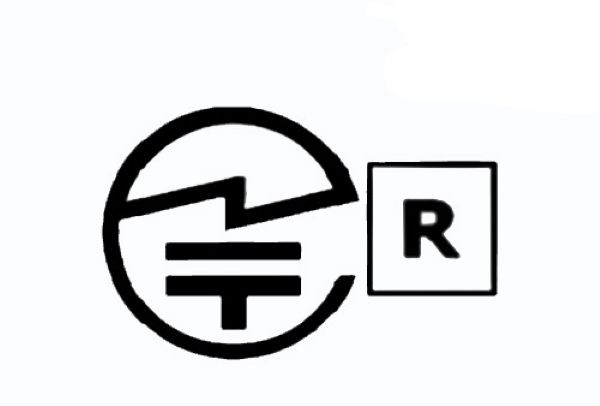
After passing the tests and the review, the wireless router must be marked with the certification logo and number on the body and packaging according to TELEC standards to be compliant with export to Japan. In practice, three core misunderstandings need to be avoided: Ensure that the radio frequency band and transmission power are strictly compatible with Japanese radio wave regulations to avoid radio frequency testing failure; The networking performance and parameters of the submitted samples and the production batch products must be completely consistent to avoid subsequent market inspections for violations; Properly retain the certification materials and test reports to facilitate regular verification by Japanese regulatory authorities. Completing TELEC certification can completely open up the compliant channel for the wireless router to enter the Japanese network equipment market, helping enterprises steadily expand the Japanese digital equipment market.