Center Certification & Testing International
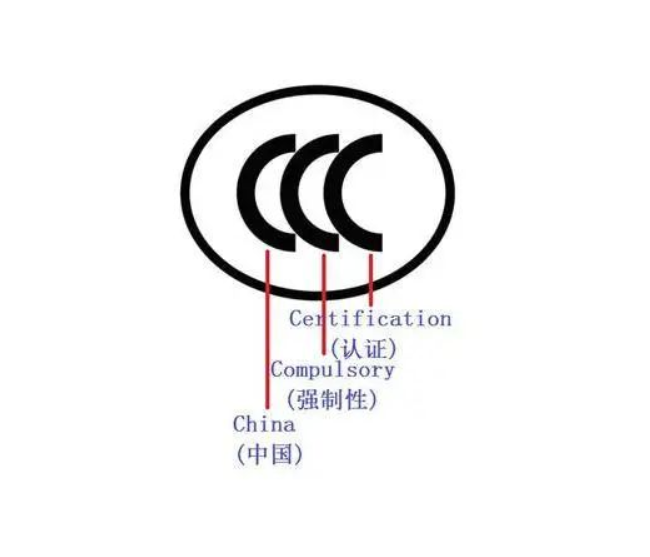
In the current era of rapid technological development, polymer batteries, with their advantages of high energy density, light weight, and good safety performance, are widely used in various electronic products such as smart phones, laptops, and power tools, becoming an important \"energy heart\" that supports modern life. However, to ensure the quality and safety of such battery products, CCC certification has become a crucial step for them to enter the market.
In the current era of rapid technological development, lithium-ion batteries, with their advantages such as high energy density and long cycle life, are widely used in portable electronic products, electric vehicles, energy storage devices and other fields, becoming an indispensable part of modern life. However, with the rapid expansion of its market size, products of varying quality have flooded the market. Some inferior batteries have caused safety accidents such as fires and explosions, seriously threatening the lives and property of consumers. Against this backdrop, the CCC certification system for lithium-ion batteries emerged, aiming to regulate the market and ensure safety.
In the era of vigorous technological development, square batteries, with their unique advantages, have been widely applied in numerous fields. However, before entering the market, it must cross the crucial threshold of CCC certification. So, what exactly is CCC certification? What significance does it have for square batteries? Let\'s explore it in depth together.
In the current era of rapid technological development, pouch batteries, with their lightness, thinness, high energy density and good flexibility, are widely used in various electronic devices and have become an important force driving the development of the industry. However, as its application scenarios continue to expand, security issues have become increasingly prominent. To safeguard consumers\' rights and interests and regulate market order, the CCC certification for pouch batteries has emerged.
In the Japanese home appliance consumption market, smart vacuum cleaners have become a popular item for enhancing the convenience of family life and are also a highly competitive export category in cross-border trade. As the core entry threshold for the Japanese market, the TELEC certification (Japan Telecommunications Technology Review Certification) is the \"passport\" for smart vacuum cleaners to legally enter the Japanese market and achieve local circulation. It is also a key prerequisite for enterprises to layout the Japanese smart home market.

With the widespread adoption of wearable electronic devices, smart glasses, due to their combination of convenience and intelligence, have gradually become a popular product in the Brazilian consumer market. They are favored by local consumers for both daily commuting assistance and intelligent control in outdoor scenarios, and have great potential for cross-border export. It is worth noting that most smart glasses are equipped with wireless communication modules such as Bluetooth and WiFi. The Brazilian National Telecommunications Regulatory Agency (ANATEL) has clearly stipulated that all electronic devices with wireless transmission capabilities must complete ANATEL certification before entering the Brazilian market for circulation and sales. This is an unbreakable legal entry threshold. Without this certification, smart glasses cannot pass through Brazilian customs clearance, may face goods detention, administrative penalties, and even be prohibited from being sold in the local market, directly affecting the delivery of cross-border orders and the overseas reputation of the brand.
With the warming of the Australian and New Zealand parent-child consumption market, toy remote control vehicles, thanks to their fun interaction and wireless control advantages, have become popular toys for local children and are also the core product for cross-border enterprises to enter the Australian and New Zealand children\'s toy market. It is important to clearly emphasize that all toy remote control vehicles with wireless remote control function (2.4GHz/5GHz frequency bands) that want to legally circulate and sell in Australia and New Zealand must obtain RCM certification - that is, the mandatory compliance certification jointly implemented by Australia and New Zealand. This is the legal prerequisite for the smooth customs clearance, offline supermarket placement, and online platform sales of the product, and there are no any exemptions. Toy remote control vehicles that have not obtained RCM certification will not only fail the customs inspection in Australia and New Zealand, but also face goods detention, administrative penalties, and even be banned from the market due to not meeting the safety standards for children, directly affecting the delivery of cross-border orders and brand reputation.
During the summer trend of portable and wearable product consumption, lightweight neck-mounted fans have become popular in the outdoor travel and commuting leisure markets in Canada, becoming a爆款 product for domestic and foreign trade manufacturers to enter the North American small appliance market. Most intelligent neck-mounted fans are equipped with Bluetooth connectivity and wireless speed control chips. The ISED certification implemented by the Department of Innovation, Science and Economic Development of Canada is a mandatory legal threshold for the circulation and sales of such products with radio transmission functions. Without obtaining the compliant ISED registration and certification, the goods will face penalties such as customs seizure, heavy fines, and removal from offline supermarkets and online platforms. This will seriously damage the enterprise\'s foreign trade reputation and order benefits.
Learn the latest exciting content

Tik Tok