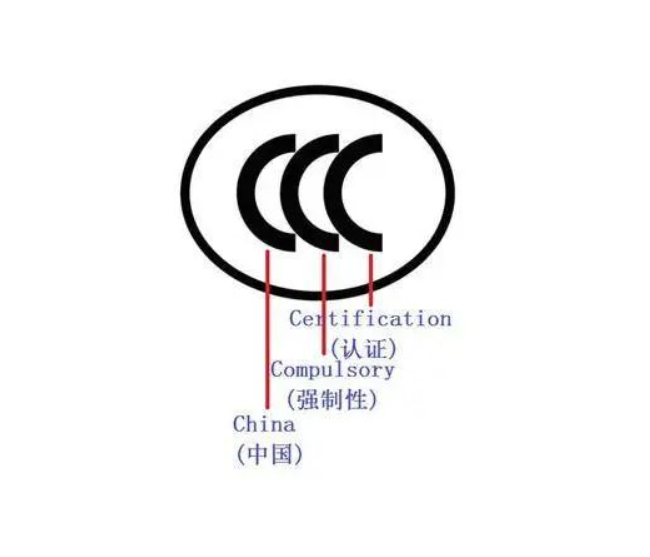
The 4G camera, with its core advantages of 4G all-network compatibility, no need for wiring, and remote real-time monitoring, has completely broken the traditional camera's reliance on wired networks and has become a necessary security equipment for various scenarios such as home security, supermarket duty, outdoor construction sites, campus security, and shop theft prevention in China. Whether it is flexible deployment in the living room or balcony, or engineering installation in areas without network, the 4G camera, with its high adaptability, has become a popular choice in the security market. However, it is necessary to clarify that as a security electronic product within China's mandatory product certification directory, all 4G cameras produced, sold, circulated, and installed in engineering projects within China must pass the 3C certification (China Compulsory Product Certification). This is the only legal basis for product legal listing on mainstream e-commerce platforms such as Tmall and JD, entry into offline security stores, and passing engineering acceptance, with no any exemption circumstances. 4G cameras that have not obtained 3C certification cannot complete compliant sales and engineering applications, and will face regulatory investigations, including confiscation of goods, brand fines, and platform removal, directly affecting the normal operation and market reputation of enterprises.
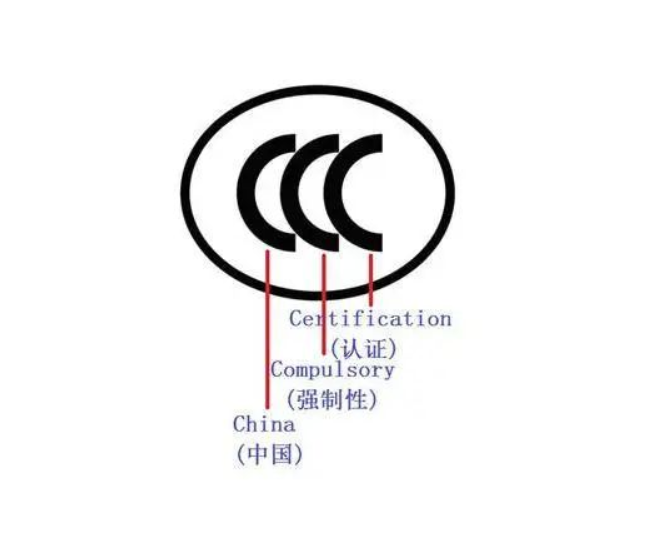
The 3C certification testing of 4G cameras focuses on three core dimensions, aligning with the product characteristics and domestic security regulatory requirements. The testing focuses are clear and highly targeted. Firstly, the electrical safety test is the core assessment item of 3C certification. The key points of the test include equipment power supply stability, insulation protection performance, overcurrent and overheating protection functions, and the electrical compatibility of the 4G communication module, ensuring that the camera does not have safety hazards such as leakage, fire, or module failure during long-term operation, fully meeting the domestic mandatory safety standards for security electrical equipment. Secondly, the electromagnetic compatibility test verifies the electromagnetic radiation and anti-interference capabilities of the equipment during operation. The 4G camera integrates multiple signal modules such as 4G communication and video transmission, and needs to test the signal interference between different modules, while ensuring that the equipment does not affect other surrounding electronic devices and guarantees stable 4G networking and clear, non-jitter video monitoring, in line with domestic electromagnetic safety regulations. Thirdly, the monitoring and communication performance test is in line with actual usage scenarios. It checks the stability of 4G networking, the clarity of video transmission, the compatibility of night vision functions, and the response speed of remote control and alarm linkage, ensuring that the product meets the basic performance requirements of domestic security monitoring and guaranteeing the user's usage experience and security effect.
The process of obtaining 3C certification for 4G cameras is in line with the practical characteristics of domestic enterprises, simple and efficient, without the need for designated local agents. Enterprises can complete the process step by step. The specific process is divided into four steps: The first step is to clarify the core parameters of the product and confirm the certification category. Enterprises need to sort out the communication frequency band, monitoring parameters, waterproof level, power supply specification, etc. of the 4G camera, ensuring that the parameters comply with domestic relevant norms to avoid certification delays due to parameter mismatches; The second step is to prepare the samples for testing and technical materials. It is necessary to prepare samples that are completely consistent with the production batch specifications, and also to organize complete sets of filing materials such as Chinese versions of product manuals, technical specifications, 4G module test reports, circuit diagrams, etc., with complete and clear information without any missing key information; The third step is to entrust a compliant laboratory for testing. Submit the samples and materials to a nationally recognized 3C certification laboratory to complete all-item testing. The laboratory will conduct tests in accordance with domestic 3C certification standards to ensure the results are authoritative and valid; The fourth step is to mark the certification after passing the review. After passing the test and review, a 3C certification certificate can be obtained, and the 3C certification mark and number can be marked on the camera body and packaging in accordance with the regulations, allowing the product to be legally circulated, listed for sale, and installed in engineering projects.
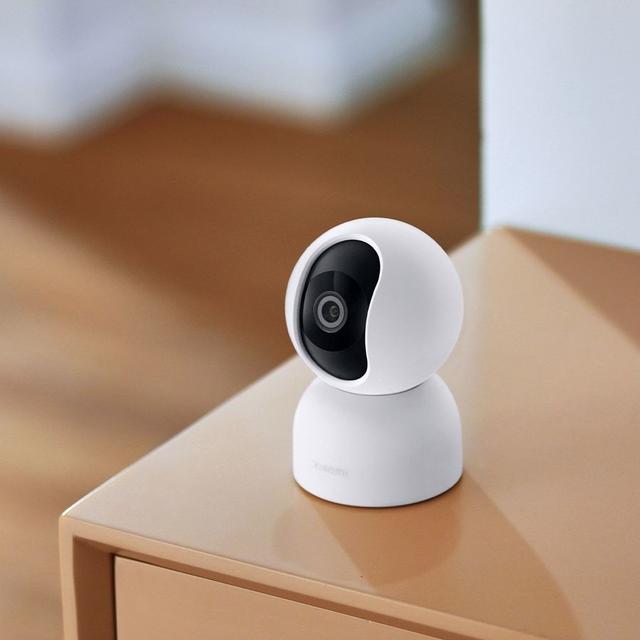
During the practical process, three core misunderstandings need to be avoided to prevent certification failure or subsequent compliance risks. First, do not use non-compliant 4G modules. The 4G module is the core component of the 4G camera. If the module parameters do not comply with the domestic frequency band specifications, it will directly lead to the failure of electrical safety and communication performance tests. It is essential to choose a compliant supplier to purchase the module and verify its qualifications in advance. Secondly, ensure that the sample is consistent with the production product. The parameters, functions, and materials of the submitted sample must be completely unified with the bulk product. The certification authority will verify the consistency of the sample and the production product. If there are differences, it will be judged as invalid certification, and subsequent market inspections may also have violations. Thirdly, properly retain all sets of certification materials. The 3C certification certificate, test reports, etc. need to be archived for long-term preservation. The materials need to be classified, sorted, and properly stored to facilitate the regular verification by the market supervision department, e-commerce platforms, and engineering acceptance units, and to avoid compliance disputes due to missing materials.
For 4G camera production and sales enterprises, 3C certification is not an optional choice but a hard threshold for market entry in the domestic market. Only by completing the 3C certification in accordance with the specifications can effective compliance risks be avoided, and the products can be legally listed, smoothly sold, and efficiently applied in engineering. Obtaining 3C certification is the foundation for enterprises to steadily expand the domestic security monitoring market and is also the key to ensuring the long-term development of the brand.