Center Certification & Testing International

basic introduction
In order to prevent corrosion, abrasion or fatigue fracture of steel materials during storage, transportation and use, various surface coating treatments have been widely used. Including surface infiltration of Zn, Al, Cr, V, Nb, B, etc. The coating process includes hot dipping, electroplating, chemical plating and heat treatment infiltration. Coating/plating can not only decorate the appearance of parts and repair surface defects of parts, but also give parts surface special properties, including improving surface hardness, wear resistance, corrosion resistance, electrical conductivity and high temperature oxidation resistance. The products involved include household appliances, automobiles, doors and windows, metal fasteners and electronic products.
Test items
Coating thickness detection
The thickness of the coating refers to the vertical distance from the surface to the boundary of the permeation interface. For the case where only the compound layer is formed and the interface is flat, the measurement of the layer depth is very simple. For the infiltrated layer with a diffusion layer, the layer thickness should include the compound layer and the diffusion layer. The coating thickness measurement methods include Coulomb method, metallographic method, eddy current method and X-ray fluorescence method.
Coating porosity detection
In the process of infiltration and immersion, the infiltration element diffuses inwards, while the iron element diffuses outwards, but the diffusion speed of the two is different, so pores (or looseness) are inevitably generated in the compound layer, especially near the surface. The quantity, size and distribution directly affect the weldability and service performance of the steel.
Coating crack detection
During the treatment process, due to the phase change stress, the brittle compound layer may be cracked, and the crack directly affects the service performance. Therefore, the characteristics of the crack, that is, the length, number and distribution of cracks should be checked.
In addition, the metal laboratory can also provide coating composition analysis, surface stain analysis, surface hardness analysis and adhesion strength analysis.
Testing standards
Test items | standard test |
Coating thickness-Coulomb method | GB/T 4955-2005 |
Coating thickness-metallographic method | QB/T 3817-1999 |
Coating thickness-electron microscopy | JB/T 7503-1994,ASTM B748-1990(2006) |
Coating thickness-X-ray method | GB/T 12961 |
Quality of galvanized layer (weight) | GB/T 1839-2008,ISO 1460:1992(E) |
Coating composition analysis (energy spectrum method) | GB/T 17359-1998 |
Adhesive strength-thermal shock method / bending method / thermal shock (quenching) | SJ 20130-1992,ASTM B571,ISO 2819 |
Adhesion strength-hot and cold cycling, chrome plating cracks, chrome plating pores | GB/T 12600 |
Our advantage
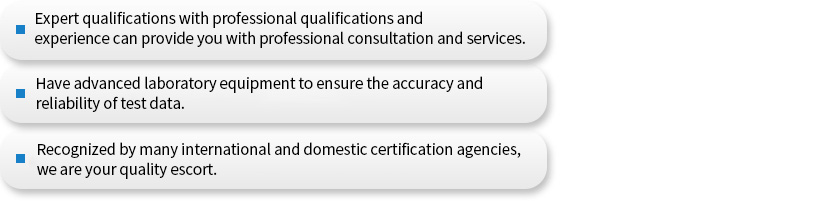
1. With a professional qualification and experienced expert technical team, we can provide you with professional consultation and services.
2. Have advanced laboratory equipment to ensure the accuracy and reliability of test data.
3. As a third-party testing and certification organization trusted by customers worldwide, we are your certificate of quality.
Label printers entering the Brazilian market, ANATEL certification is an essential passport! It is the recognition of the Brazilian Telecommunications Authority for the safety and compliance of electronic products, without which products cannot be legally sold.
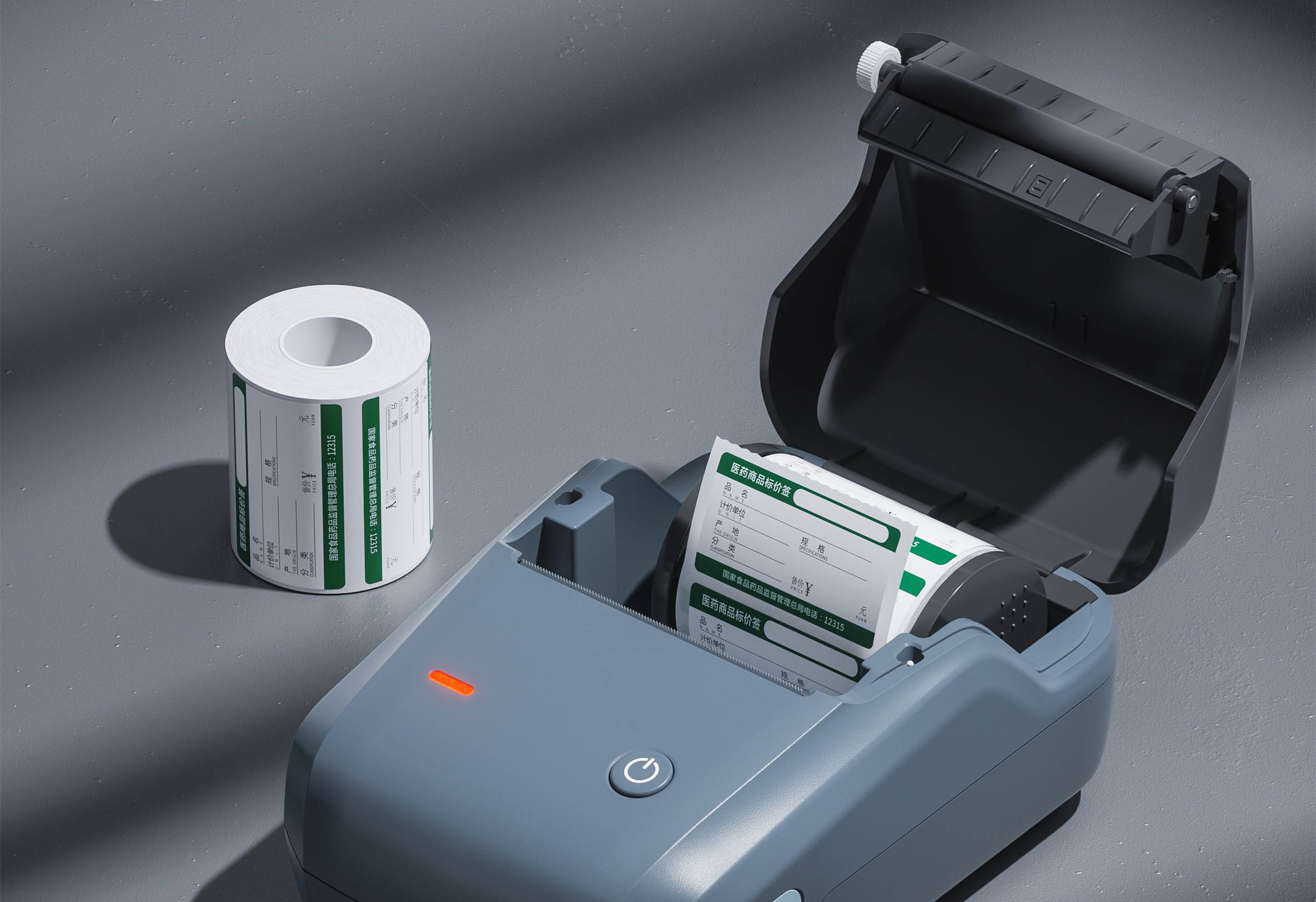
SRRC certification is not only a guarantee of product compliance, but also a key to opening up the market.
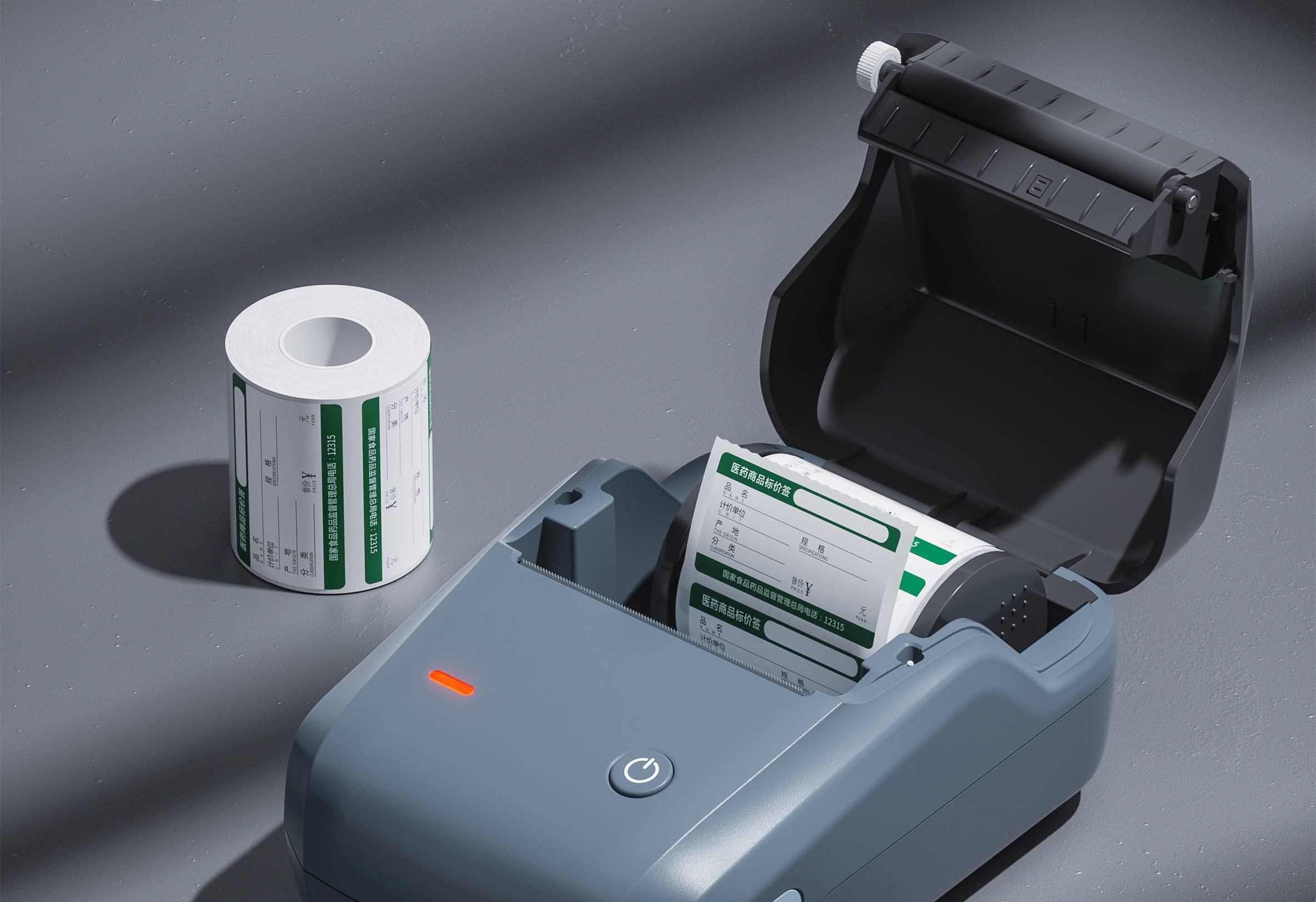
FCC ID certification is a mandatory certification for electronic products by the Federal Communications Commission (FCC) in the United States, and it is essential for label printers to obtain this certification.
In order to prevent corrosion, abrasion or fatigue fracture of steel materials during storage, transportation and use, various surface coating treatments have been widely used. Including surface infiltration of Zn, Al, Cr, V, Nb, B, etc.
Get a quote

Tik Tok