Center Certification & Testing International
Project Introduction
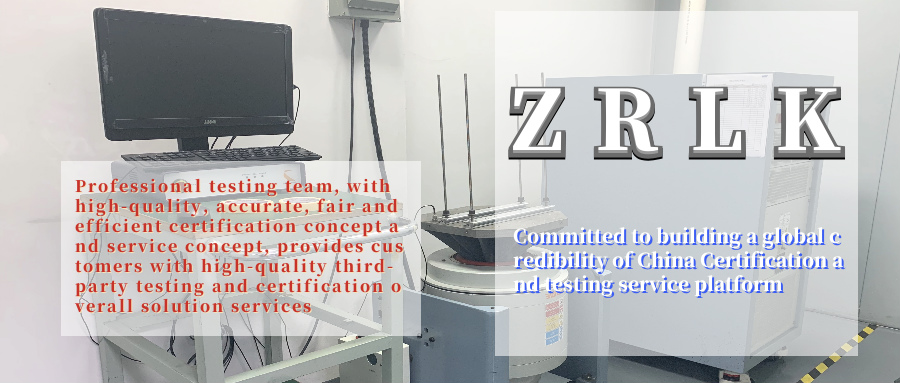
Vibration test is to manually simulate the impact of various vibration environments encountered during storage, transportation, installation and use of products in the laboratory (general electrical and electronic products), used to assess whether the product can withstand the ability of various environmental vibrations, Whether it can be used normally without failure.
Testing purposes
Vibration testing can analyze and evaluate the reliability of the product before the product is officially shipped, reduce the probability of defective products in the later stage, and also determine the requirements for product design and function standards.
Application range
Electrical and electronic products require more vibration testing, because most electronic products are precision products, such as mobile phones, tablets, etc., the internal structure and devices are more precise, and the vibration environment has a greater impact on them. It is necessary to ensure that the vibration factors have a bearing on the reliability of the product. influences.
Vibration test classification
Reliability vibration test is generally divided into 2 types, sinusoidal vibration test and random vibration test. Sinusoidal vibration is a test method commonly used in laboratories to simulate the vibrations generated by rotation, pulsation, and shock (occurring on ships, airplanes, vehicles, and space vehicles) as well as product structure resonance frequency analysis and resonance point residence verification Mainly, it is divided into two kinds of sweep frequency vibration and fixed frequency vibration, and its severity depends on the frequency range, amplitude value, and test duration. Random vibration simulates the evaluation of the overall structural seismic strength of the product and the shipping environment in the packaged state, and its severity depends on the frequency range, GRMS, test duration, and axial direction.
1. Sinusoidal vibration test: This test applies a sinusoidal vibration to the test piece, which can be a sinusoidal fixed frequency or a sinusoidal sweep frequency vibration test.
2. Random vibration test: This test applies random vibration to the test piece, which is divided into broadband random vibration test and narrow-band random vibration test according to the frequency width of random vibration.
Method Standard
Sinusoidal vibration: GB/T 2423.10 IEC 60068-2-6 EN 60068-2-6 ISO 8318 GB/T 4857.10 ISO 2247 GB/T 4857.7
Random vibration: GB/T 2423.56 IEC 60068-2-64
Test parameters
Shaker parameters: maximum thrust, maximum acceleration, maximum speed, maximum displacement, vibration table size and weight, table resonance frequency, vibration table frequency range.
Sample parameters: sample size, sample weight, test parameters.

Label printers entering the Brazilian market, ANATEL certification is an essential passport! It is the recognition of the Brazilian Telecommunications Authority for the safety and compliance of electronic products, without which products cannot be legally sold.
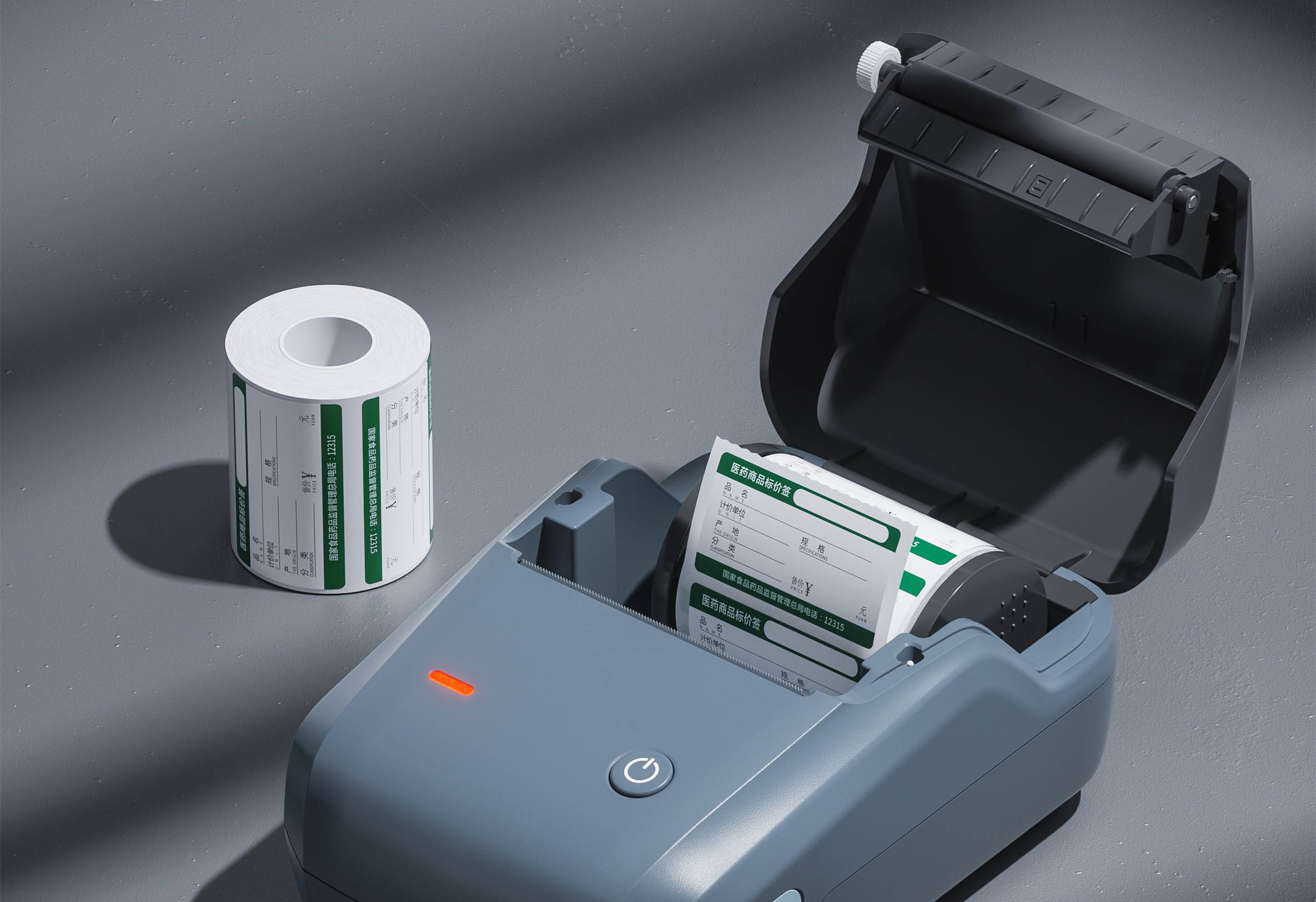
SRRC certification is not only a guarantee of product compliance, but also a key to opening up the market.
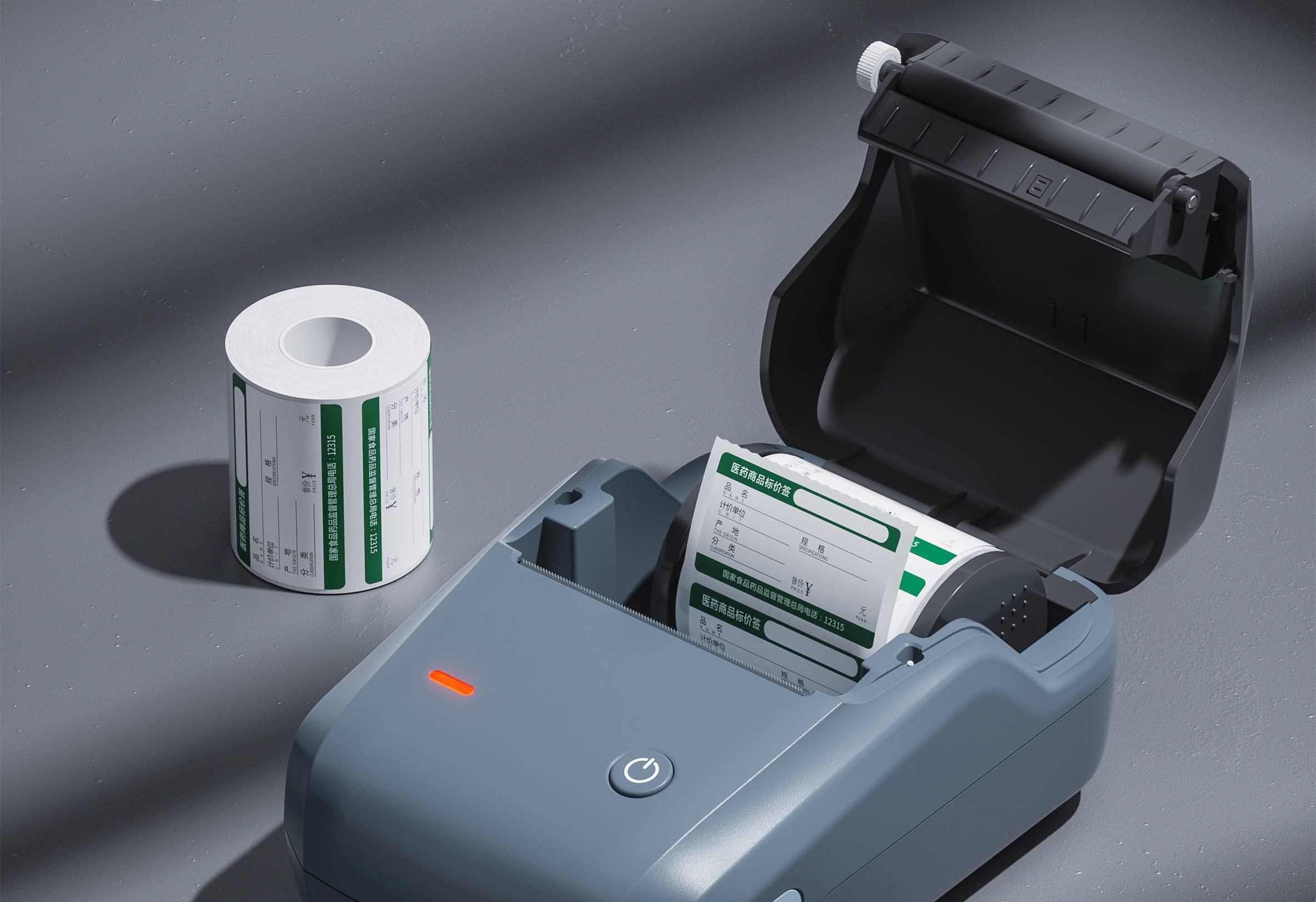
FCC ID certification is a mandatory certification for electronic products by the Federal Communications Commission (FCC) in the United States, and it is essential for label printers to obtain this certification.
Vibration test is to manually simulate the impact of various vibration environments encountered during storage, transportation, installation and use of products in the laboratory (general electrical and electronic products), used to assess whether the product can withstand the ability of various environmental vibrations, Whether it can be used normally without failure.
Get a quote

Tik Tok