The NBTC of Thailand, which stands for "National Broadcasting and Telecommunications Commission", is equivalent to the Ministry of Industry and Information Technology of our country and is in charge of telecommunications products and networks. Since July 1, 2008, Thailand has implemented regulations for wireless products, and wireless microphones have also been included in the certification scope. This is a necessary condition for their legal sale and use in Thailand.
Why apply for NBTC certification?
1. Market access threshold: Without NBTC certification, wireless microphones cannot be legally sold in Thailand. If discovered, one will face risks such as fines and product seizure.
2. Protecting consumer rights and interests: Certification ensures that products comply with Thai technical and safety standards, such as electromagnetic compatibility and frequency usage norms, providing users with safe usage and stable communication, and enhancing the credibility of product quality.
3. Enhance enterprise competitiveness: After obtaining certification, products can better explore the Thai market, increase market share, and establish a good brand image.
What documents are needed to apply for NBTC certification?
1. Prototype: 1-2 units.
2. Product Manual: Clearly introduce the product functions and usage methods.
3. Adapter security reports: such as en60065, en60950 or en62368 reports.
4. List of key components and certificates: Provide the model, manufacturer, certificate number of key components, as well as the corresponding certificates (such as ul certification /etl certification).
5. The label should contain English information such as product name, model, manufacturer, technical parameters (such as voltage), identifier, and country of origin.
6. In addition to the label information, the outer packaging box should also have information such as energy efficiency grade, rohs testing, quantity, and size.
What is the process for obtaining NBTC certification?
1. Application acceptance: Submit complete application materials on the NBTC official website.
2. Technical Assessment: NBTC conducts an initial review of the materials to determine if they meet the certification requirements.
3. Inspection and testing: Conduct tests on the equipment's performance, electromagnetic compatibility, and other aspects.
4. Report preparation: The applying entity compiles the test results and prepares the certification application report.
5. Review and Certification: NBTC reviews the report. If it meets the standards, a certification certificate will be issued.
6. Supervision and Management: Even if the equipment is certified, NBTC will conduct regular supervision to ensure that it continuously meets the standards.
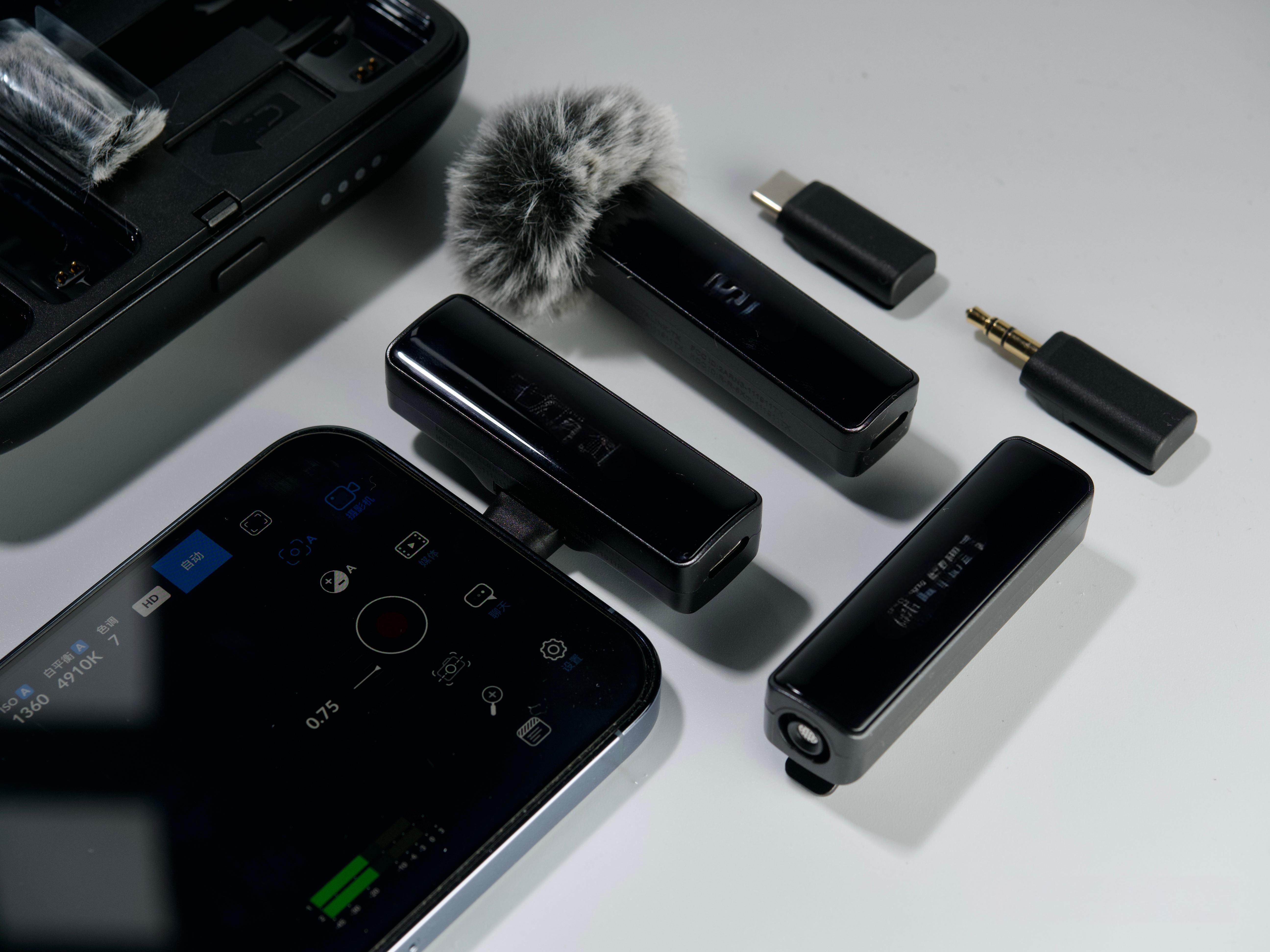
The NBTC certification in Thailand is of vital importance for wireless microphones to enter the Thai market. Enterprises should attach great importance to certification, prepare all the necessary materials in advance and apply according to the procedures, so as to smoothly enter the Thai market and achieve their business goals.