Ballast as a key component in lighting equipment, its safety performance directly affects the stability of the entire lighting system and the safety of users. GB19510.14-2009, as a national standard, provides a clear specification for the design, production and testing of ballasts. ZRLK, as a professional testing organization, provides comprehensive testing services for ballast manufacturers under the guidance of this standard to ensure that products comply with national safety standards.
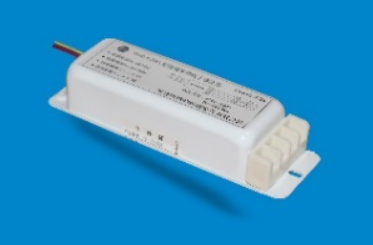
GB19510.14-2009 standard overview
GB19510.14-2009 standard full name "Lamp control device Part 14: Special requirements ballast", the standard specifies the ballast safety requirements, performance requirements, test methods and other content. The focus includes but is not limited to the following aspects:
1, electrical safety requirements: including insulation, voltage resistance, leakage current and other indicators.
2, thermal performance requirements: specifies the temperature limit of the ballast under normal and abnormal working conditions.
3, electromagnetic compatibility (EMC) requirements: ensure that the ballast will not interfere with the surrounding electronic equipment during use.
4, environmental adaptability requirements: including humidity and heat resistance, vibration resistance and other performance.
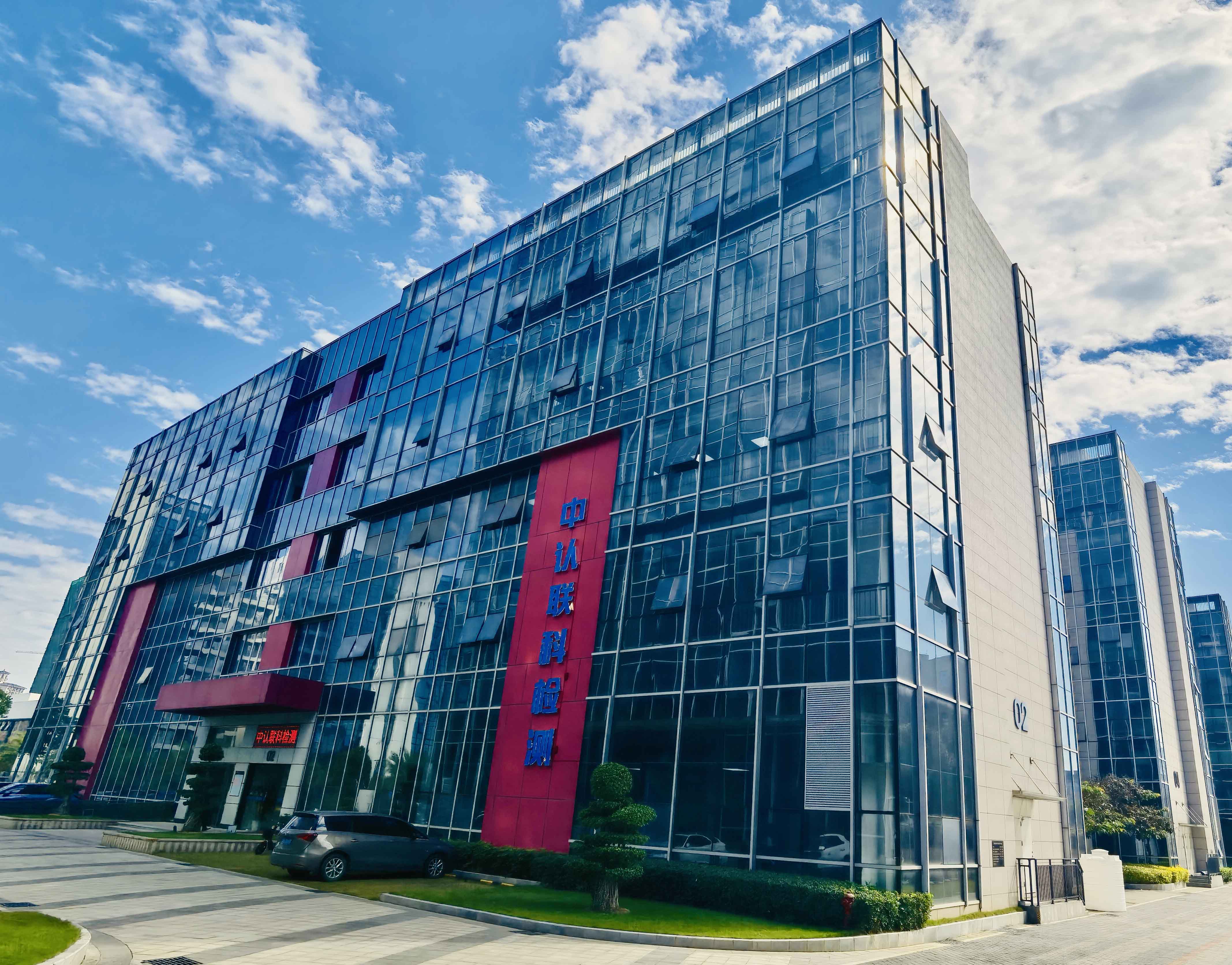
Testing services for ZRLK
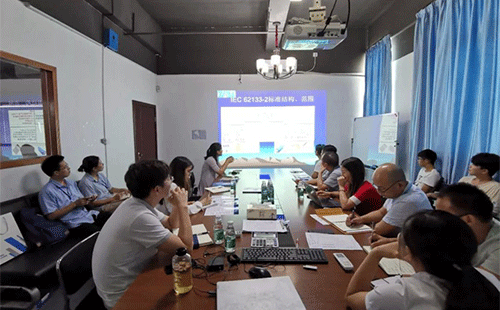
As a well-known testing institution in China, ZRLK has perfect testing equipment and professional technical team, which can fully implement the testing requirements in GB19510.14-2009 standard. Its main testing services include:
1, electrical safety testing: through the voltage test, insulation resistance test and other means to evaluate the electrical safety performance of the ballast.
2, thermal performance test: the use of temperature sensors and infrared thermal imager to monitor the temperature change of the ballast under different working conditions to ensure its thermal stability.
3, EMC test: electromagnetic interference and anti-interference test to ensure that the ballast will not cause electromagnetic interference to other equipment during use.
4, environmental adaptability test: through wet heat test, vibration test and other means to evaluate the reliability of ballast under various environmental conditions.
The GB19510.14-2009 standard provides clear guidance for the safety testing of ballasts, and ZRLK ensures the safety and reliability of ballasts products by strictly implementing this standard. Through professional testing services, ZRLK helps manufacturers improve product quality and ensure the safe use of users. In the future, with the continuous development of lighting technology, ZRLK will continue to provide the industry with more comprehensive and professional inspection services to promote the healthy development of the ballast industry.
If you are a ballast manufacturer or a practitioner in related fields, you have any questions or needs for ballast safety testing, please feel free to contact ZRLK, we will be happy to provide you with professional consulting and testing services.