Center Certification & Testing International
Project Introduction
The high temperature test is a reliability test that simulates the high temperature resistance of the product during storage, assembly and use. The high temperature test is also the longest used accelerated life test. The purpose of the high temperature test is to determine the adaptability and durability of the storage and use of military and civilian equipment and parts under normal temperature conditions. Confirm the performance of the material at high temperature.
Application range
The scope of high and low temperature testing mainly includes electrical and electronic products, their original devices, and other materials. The rigor of the test depends on the temperature of the high and low temperature and the duration of the test. High and low temperature may cause the product to overheat, affect the safety and reliability of use, or even damage, such as:
· Different materials have different expansion coefficients, leading to bonding and migration between materials
· Changes in material properties
· Decrease electrical performance of components
· The elasticity or mechanical performance strength of the elastic element is reduced, shortening the service life of the product
Accelerate the deterioration and aging process of polymer materials and insulating materials, shorten the service life of products
· The elasticity of flexible materials such as rubber decreases and cracks
· Increased brittleness of metals and plastics, causing cracking or cracking
Make the material brittle, such as plastic and steel are prone to brittle cracking damage at low temperature, the hardness of the rubber material increases, the elasticity decreases, etc.
Method Standard
Test standard reference: GB/T 2423.1, GB/T 2423.2, IEC 60068-2-1, IEC 60068-2-2, EN 60068-2-1, EN 60068-2-2, etc.
Test parameters
High temperature test: test temperature, test time, heating rate.
Performance impact
High temperature test: thermal aging, cracking, discoloration, softening, melting, swelling, or functional failure of materials.

Label printers entering the Brazilian market, ANATEL certification is an essential passport! It is the recognition of the Brazilian Telecommunications Authority for the safety and compliance of electronic products, without which products cannot be legally sold.
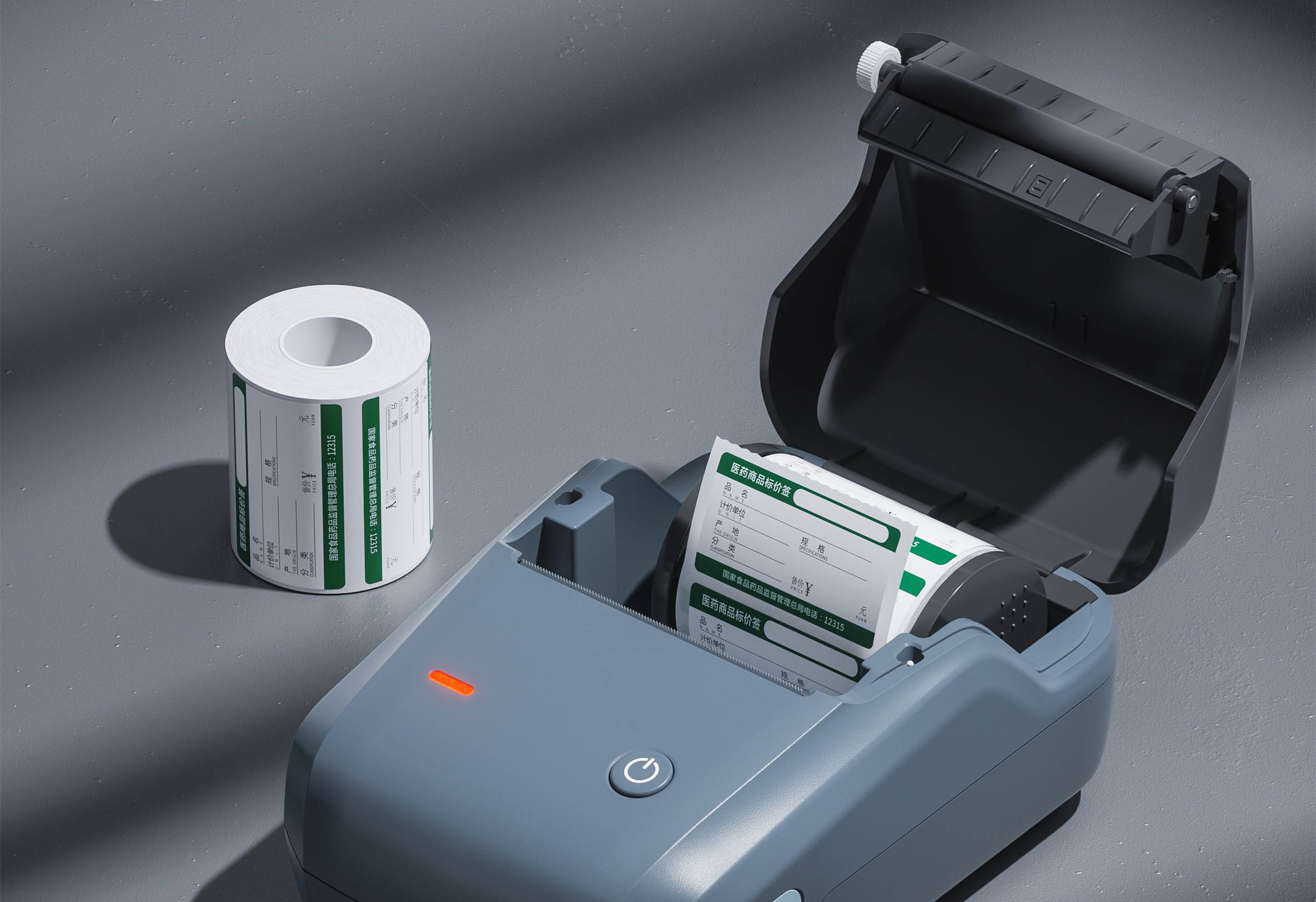
SRRC certification is not only a guarantee of product compliance, but also a key to opening up the market.
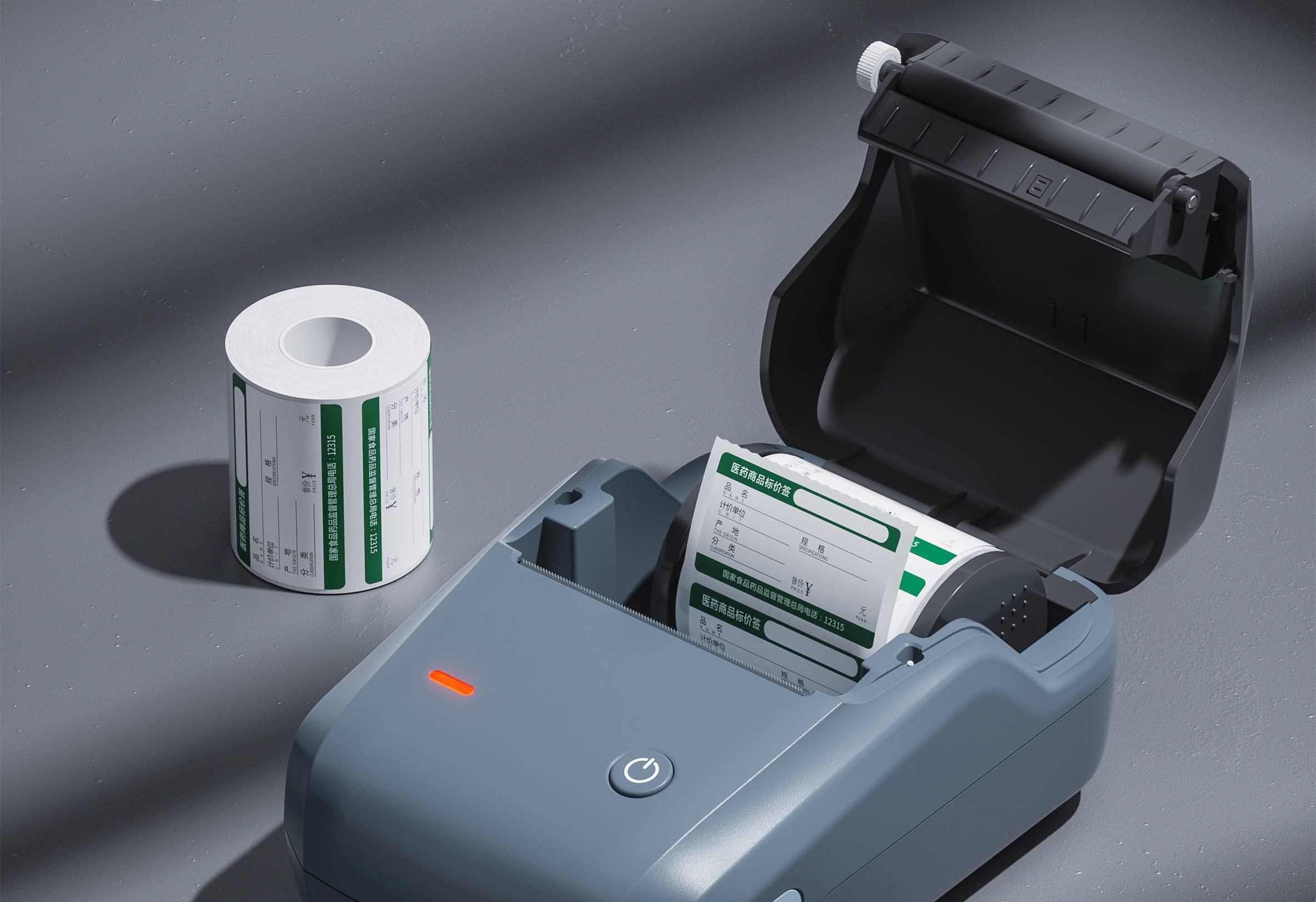
FCC ID certification is a mandatory certification for electronic products by the Federal Communications Commission (FCC) in the United States, and it is essential for label printers to obtain this certification.
The high temperature test is a reliability test that simulates the high temperature resistance of the product during storage, assembly and use. The high temperature test is also the longest used accelerated life test. The purpose of the high temperature test is to determine the adaptability and durability of the storage and use of military and civilian equipment and parts under normal temperature conditions.
Get a quote

Tik Tok